

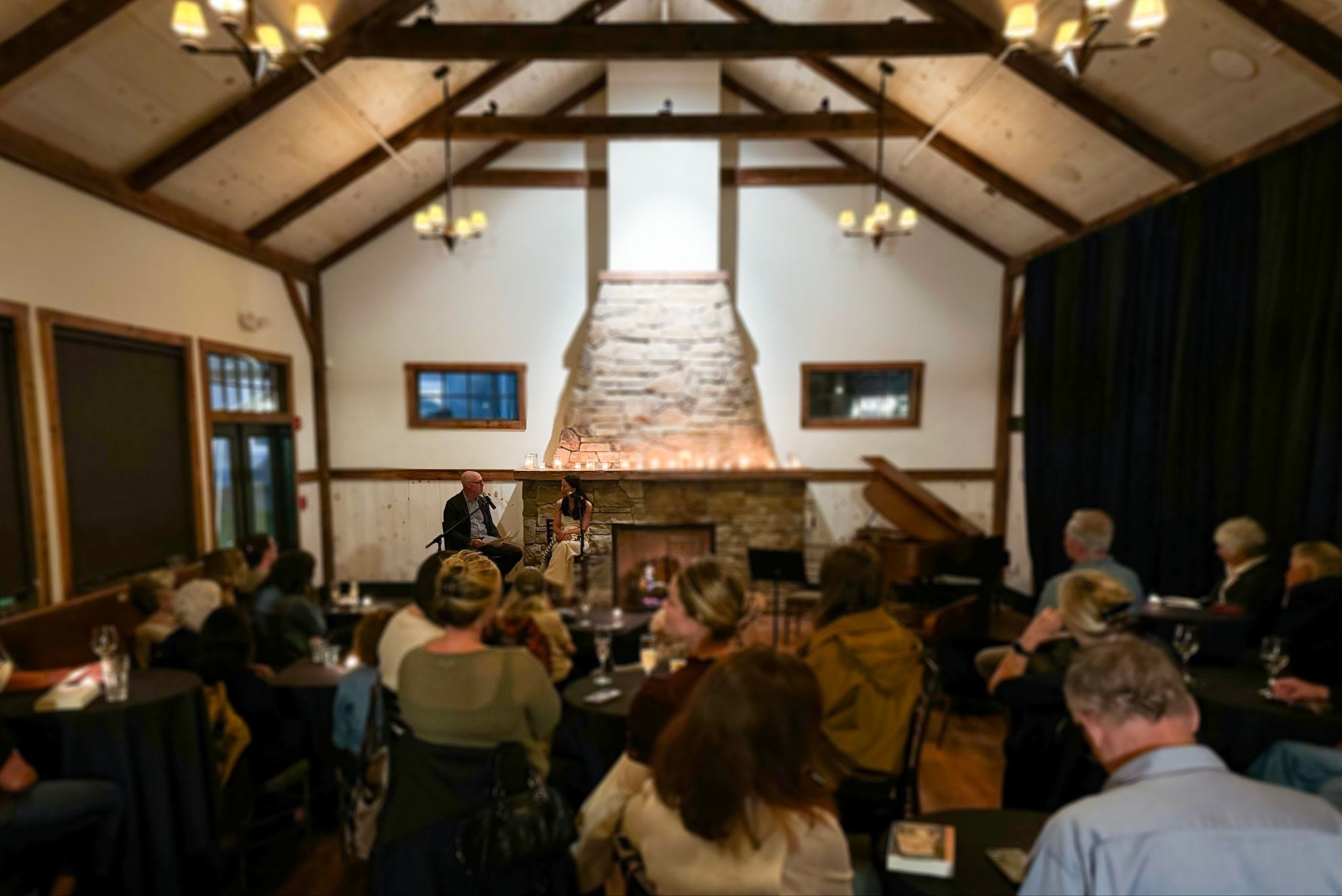
September 9th was a rainy evening, but the second you walked into Barrington Hall the low-burning fire, mantel filled with candles, and lilting conversations wrapped themselves around you. Small, low and high top tables were slowly claimed as people made their way around the room to greet each other and catch up after the long summer. Daniel Latzman was pouring drinks—including a signature French 75 cocktail (a nod to wartime France), alongside their full bar. Dan Baker was lighting votives. As the sun began to set, two chairs with mics, and two cellos and music stands gave a preview of The Lit Salon experience about to begin.
The event—the first collaboration between Barrington Hall and Hillsdale’s newest attraction, Books & Cake—launched a “new literary series celebrating books, ideas, conversation, and community.” For the first gathering, the partners engaged award-winning journalist and Berkshire author Michelle Young, who shared excerpts and insights from her book The Art Spy: The Extraordinary Untold Tale of World War II Resistance Hero Rose Valland to commemorate her recent paperback launch. The nonfiction book, named a Best Book of 2025 by the New York Public Library, Library Journal, and Hyperallergic, was also a finalist for the Marfield Prize and the Lambda Literary Award and was longlisted for the Massachusetts Book Award and the 2025 American Library of Paris Book Award.
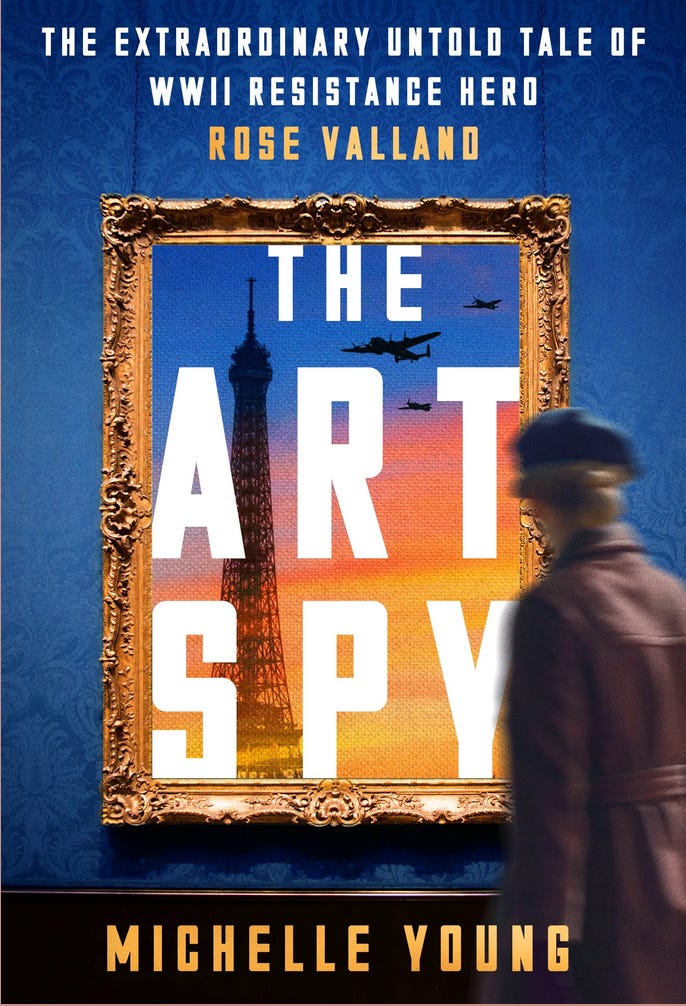
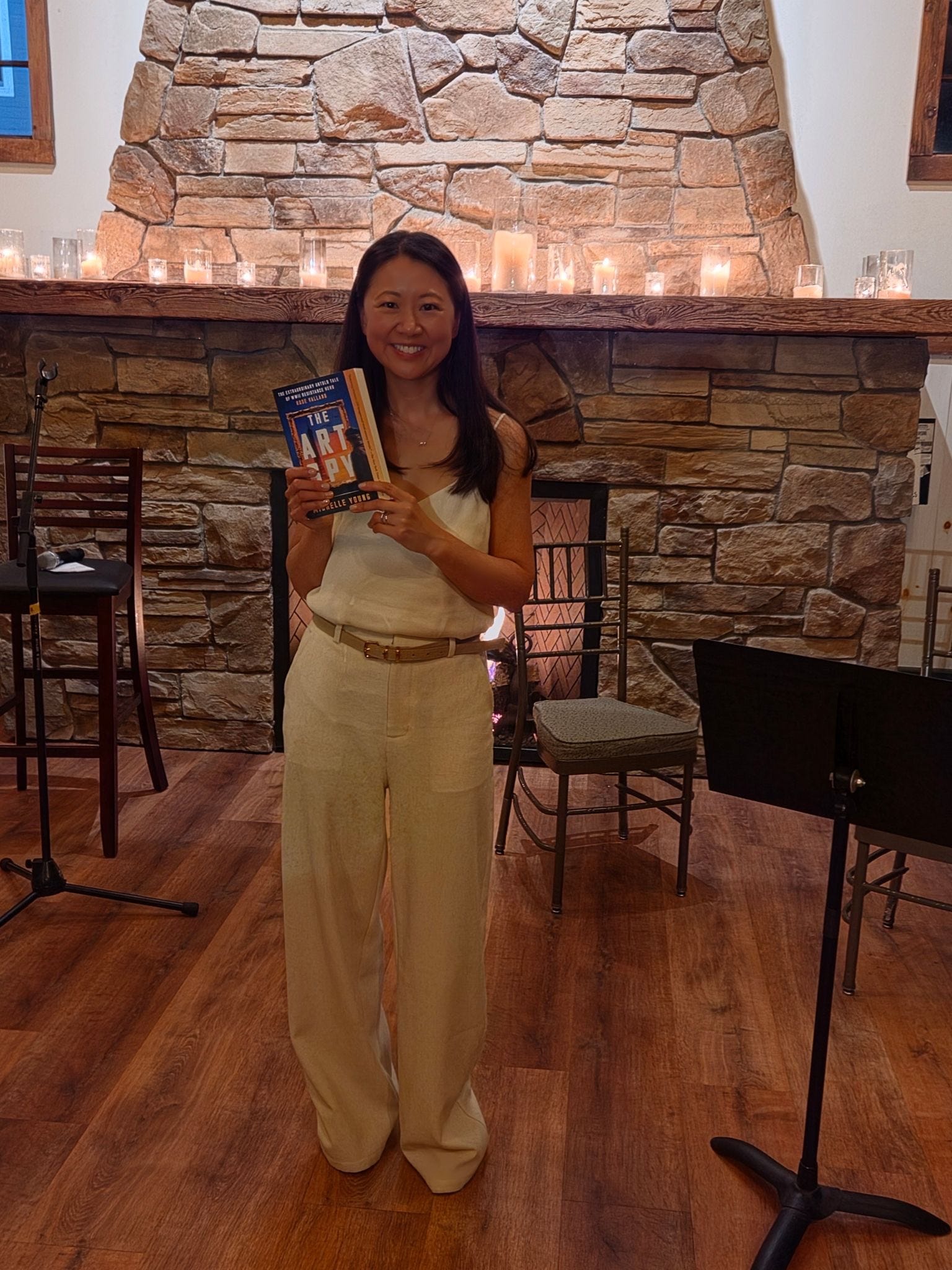
The idea for the salon series originated with Michelle Young and her husband Augustin Pasquet. Growing up in Paris, Pasquet’s parents invited people from all over the world into their living room for evenings with dinner, drinks, and conversation. Young participated in chamber music “sight-reading” parties as a teenager with fellow Juilliard musicians. Together, these experiences inspired the couple to continue the salon tradition, holding gatherings in Brooklyn with their daughters, Charlotte and Emma, with literature and music added in.
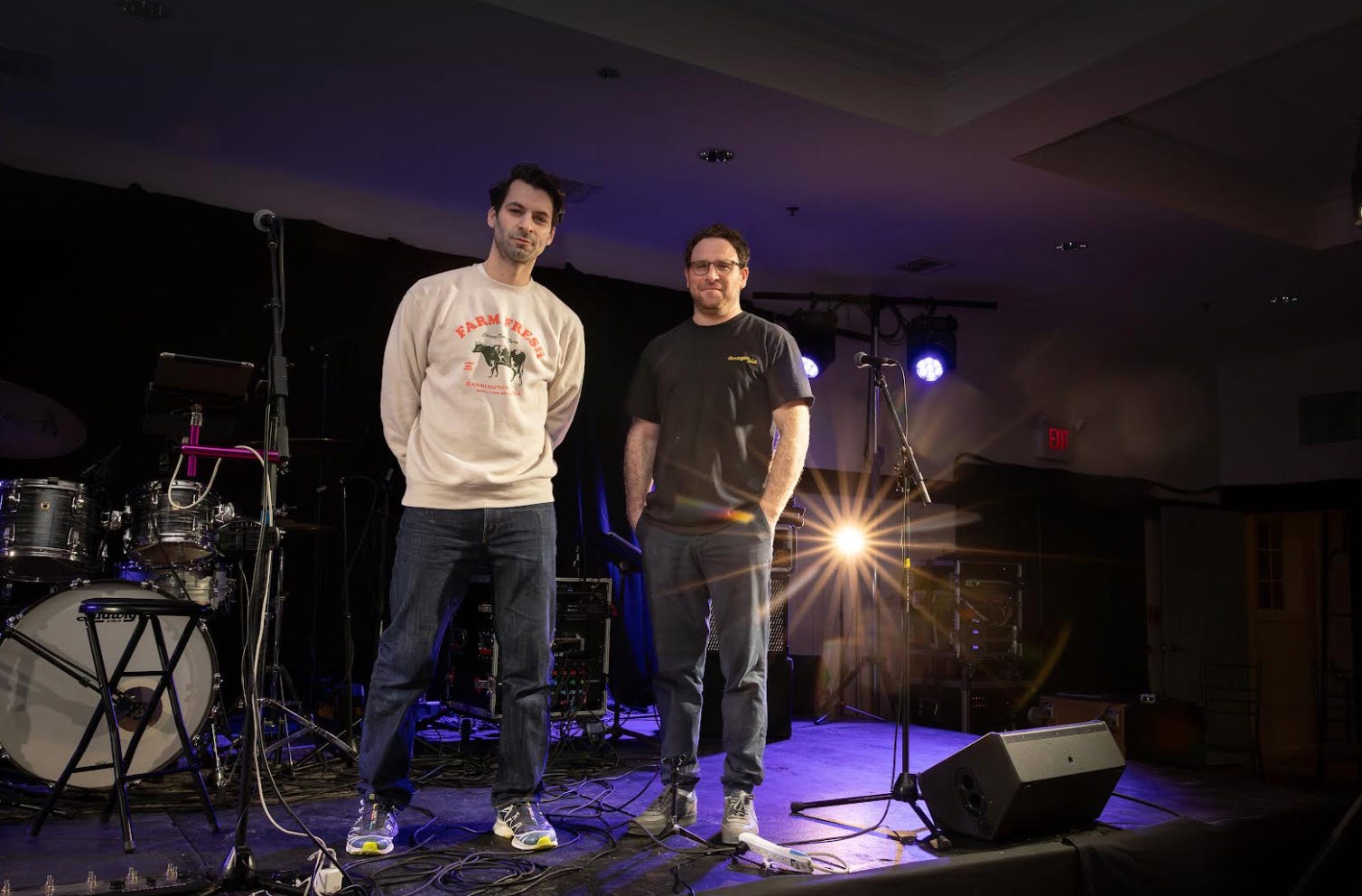
“Part author conversation, part literary gathering, The Lit Salon brings celebrated writers and curious readers together in an inviting setting for thoughtful conversation and unforgettable evenings,” Barrington Hall co-founders Dan Baker and Daniel Latzman announced on their website. The neighbors/business partners purchased the former Crissey Farm property at 426 Stockbridge Road in July 2025, rebranding the venue as a flexible space for hosting weddings and private gatherings, speakers and live music, and community events. As they note, “The space is built on good energy, local connection, and the belief that the best memories happen when people come together.” Expanding their vision for the space, they are hosting an ever-widening array of engaging events in their second year—including galas for nonprofits, a speakers series on wellness, and most recently, The Lit Salon.
Following mingling and drinks, Pasquet gave a warm welcome and provided family background on how the event came into being. Juilliard-trained cellist Jeffrey Law (who, like Young, graduated from the Juilliard School of Music Pre-College Division) performed “Kol Nidrei,” Op. 47 by Max Bruch, a composition often sung in Aramaic at the beginning of the evening service for Yom Kippur. The prayerful melody and dimly lit room created a moving atmosphere for the book talk that followed.
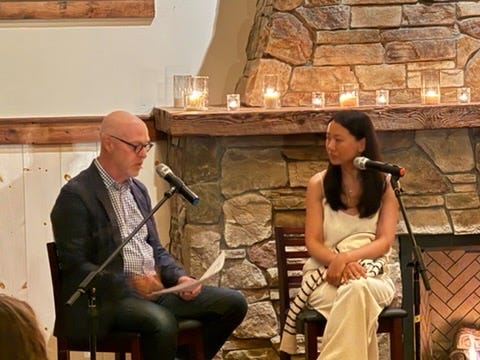
In conversation with former Brooklyn Museum President David Berliner (also an artist), Young then shared the remarkable story behind The Art Spy, reading excerpts interspersed with insights from her years of research to bring Rose Valland’s extraordinary courage to light (readers may know Valland through Cate Blanchett’s portrayal of her in the film The Monuments Men in 2014). Drawn from historic accounts, in-depth interviews, and newly discovered documents, The Art Spy traces Valland’s journey to become a curator at the Jeu de Paume museum in Paris and, eventually, a spy who saved tens of thousands of priceless art treasures from the German occupiers’ ongoing looting mission. The book also highlights the danger and challenges she faced during those years—with the added threats tied to being a woman and a lesbian during that time.
Young opened by reading from her first chapter —“PARIS, August 19-20, 1944”—which begins in the days leading to the liberation. Valland was instructed to “remain at all costs” at her post, indefinitely. “But there was nothing timid about her,” Young emphasized. The Nazis “subjected her to invasive interrogations and searches… and nearly every one of the Nazi’s accusations had been true.”
In his role, Berliner thoughtfully guided the audience to a deeper understanding of both the WWII heroine and the 21st century historian and writer through his questions. Young, working closely with Valland’s family over the years, was given access to her art supplies and much of her artwork as well. “Growing up as the daughter of a blacksmith in a French, Catholic society, Rose led a double life,” she shared, not only as a working class person rising to the top of the art world but also as a queer women who kept her sexuality and relationship with Joyce Helen Heer (a British citizen who worked at the U.S. embassy in Paris) deeply private—a “cloak of invisibility she used to her advantage in spying on the Nazis.”
“A third of France’s private art collections were looted during the war. Rose felt a patriotic duty to get them back and return them to their rightful owners. Being a woman, she was never paid for her work yet stayed longer than any other Monument officer,” Young continued. For four years, Valland sat quietly at her desk, listening to the German officers (who didn’t realize she understood German) and documenting more than 20,000 art pieces and their dimensions before they were taken to the Jeu de Paume, where the Germans stored their stolen art. Because of her efforts, nearly 60,000 works were eventually recovered (45,000 were restored to their rightful owners).
“Eighty years before her story was recognized, Rose was awarded the Medal of Freedom (1948),” Young noted. “However, her full story was not widely known or celebrated.” Her memoir, Le front de l’art, was published in France in 1961, but she was warned by the Ambassador to Germany not to publish the second part of her memoir (including more personal details about her life) for her safety.
Not missing an opportunity to link Rose Valland’s efforts in a time of global crisis to our nation’s struggles today, Berliner ended with this question: “Do you need to be part of an organized resistance movement to protest what is happening around you?” Young acknowledged the inspiration we can all take from Valland’s example that anybody can be a hero—met with enthusiasm from the crowd.
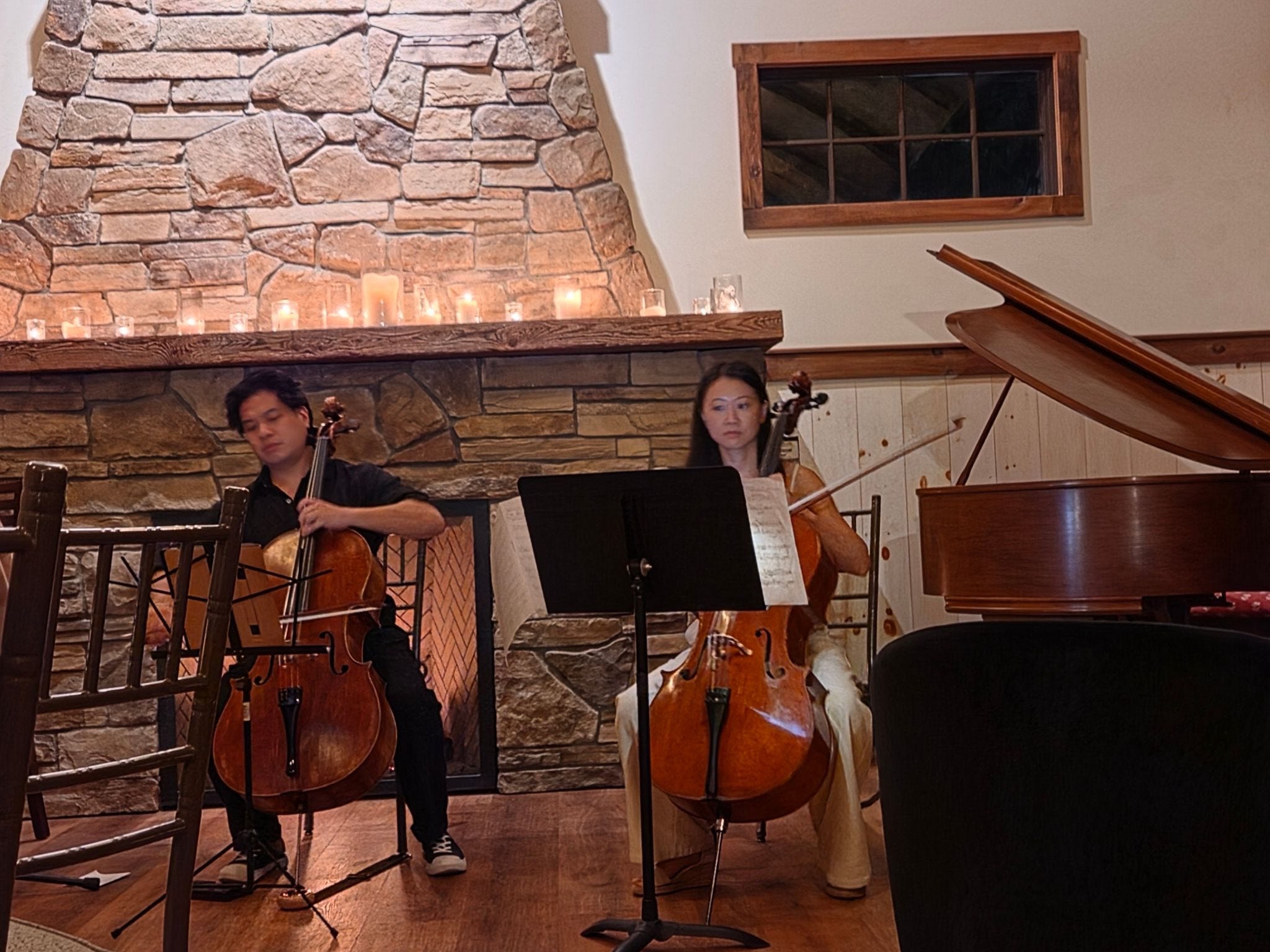
Closing the evening, Law and Young performed a final musical tribute, “Méditation” (from the opera Thaïs by Jules Massenet) together. Literary partners (Books & Cake co-owners) Julie Sternberg and Eve Yohalem offered copies of The Art Spy for purchase throughout the evening, with a book signing and opportunity to meet the author after the program.
If you missed the first Lit Salon in the series, don’t worry! There are more evenings at Barrington Hall planned for November, in partnership with The Mount:
November 6th: Marcia Chatelain, Pulitzer Prize winner and author of How Bright the Path Grows: The Untold Story of the Women Who Made the March on Washington. Musicians to be confirmed.
November 21st: Colin Asher, author of The Midnight Special: The Secret Prison History of American Music, longlisted for the 2026 National Book Award, with special musician guest pianist George Oldziey.
