

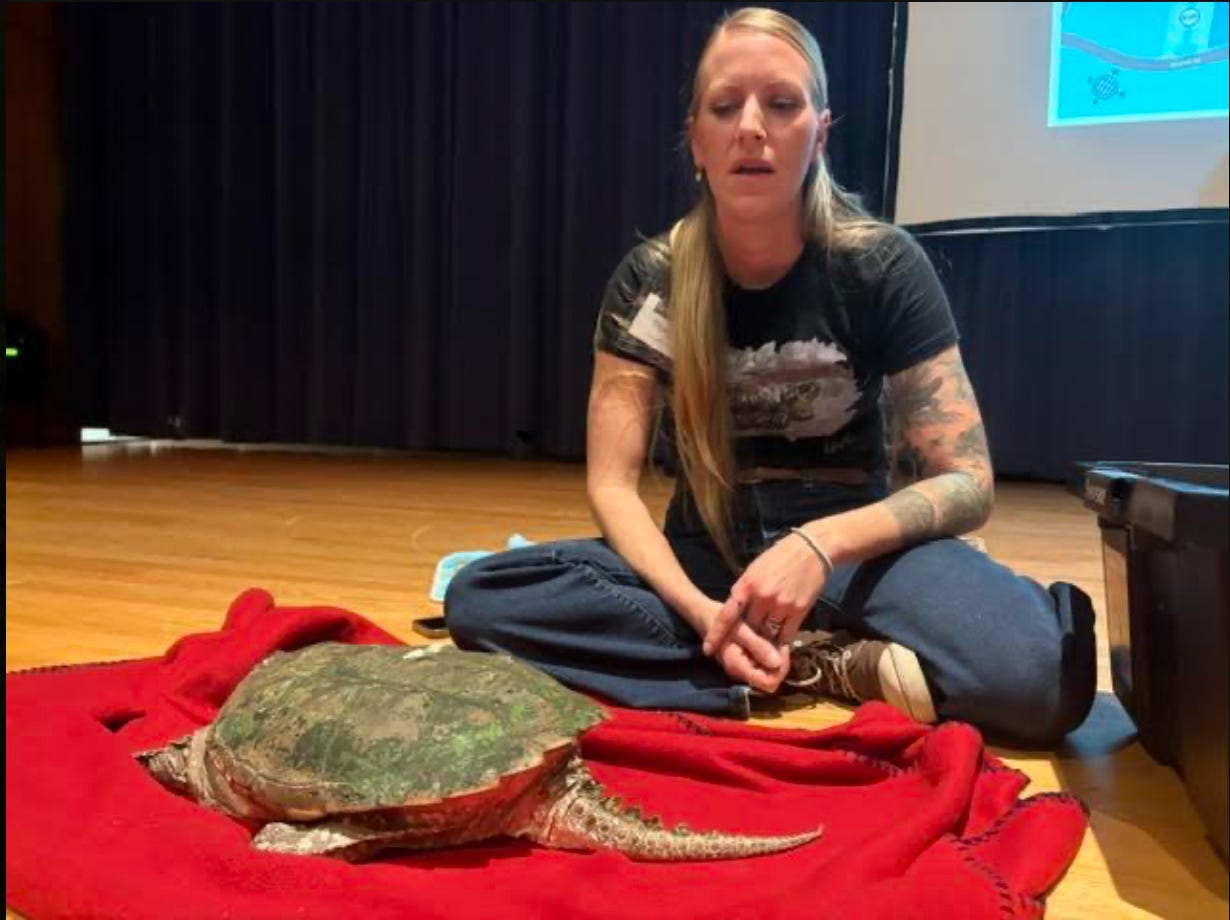
The star of the 10th annual Berkshire Natural History Conference was an underweight and brain-damaged reptile.
Sally the common snapping turtle — life span 50-70 years, sexual maturity reached at age 20, eggs are laid in late spring and hatch in late summer, with very few babies, on average, surviving — was the guest of Tracy Zustra, founder of Berkshire County Turtle Rescue Inc. and one of many speakers at the 10th annual Berkshire Natural History Conference, held this year at MCLA’s Church Street Center on Saturday, Nov. 7.
Zustra used Sally to show a room full of practicing and aspirational naturalists how to get a snapper safely off the road, and to explain why so many of them end up needing her help.
When Sally’s head was run over by a car 18 months ago he jaw was fractured and dislocated, and she suffered a severe brain injury. It took 14 months before she could eat on her own, but she’s still improving and Zustra expects to eventually release her into the wild again.
When you find one in the road, pull over all the way and put on your hazard lights.
Then:
Take hold of the tail near its base to gain control. Never lift the turtle by its tail, as you could paralyze it that way.
Slide your other hand under the belly and lift. Holding it this way keeps you clear of the sharp claws.
Carry it across in the direction it was already heading, and set it down.
For a big snapper (Zustra said she can’t lift one over about 35 pounds), drape a towel or blanket over its back. It calms the turtle, and it will bite and scratch the cloth instead of you. You can also slide it onto a car floor mat and drag it across the road that way.
Snapping Turtle myth 1: A human could bit off a human finger, but not a turtle.
Snapping Turtle myth 2: You will not get salmonella from handling snapping turtles if you use common sense, like washing your hands after handling them. Zustra does not use gloves and does not get sick.
Zustra said she started Berkshire County Turtle Rescue after seeing how many turtles were being hit on local roads.
“I went from getting about five turtles my first year to now getting over a hundred every year,” she said.
Shetreats the turtles in a spare bedroom of her house, rehydrating them, giving antibiotics and repairing cracked shells with foil tape (never glue, which would prevent it from healing), metal brackets and dental resin.
While she says she’s on call 24/7 for turtles, she has a full-time job as the Activities Director in a nursing home, and benefits from an understanding boss.
Zustra showed before and after videos of her patient Kiwi, whose shell was fractured all the way to the spine and so could only drag herself forward on her two front legs, as the back legs were useless. But she regained full movement after twice-daily sessions with an Assisi Loop, a pulsed electromagnetic therapy device usually used on cats and dogs.
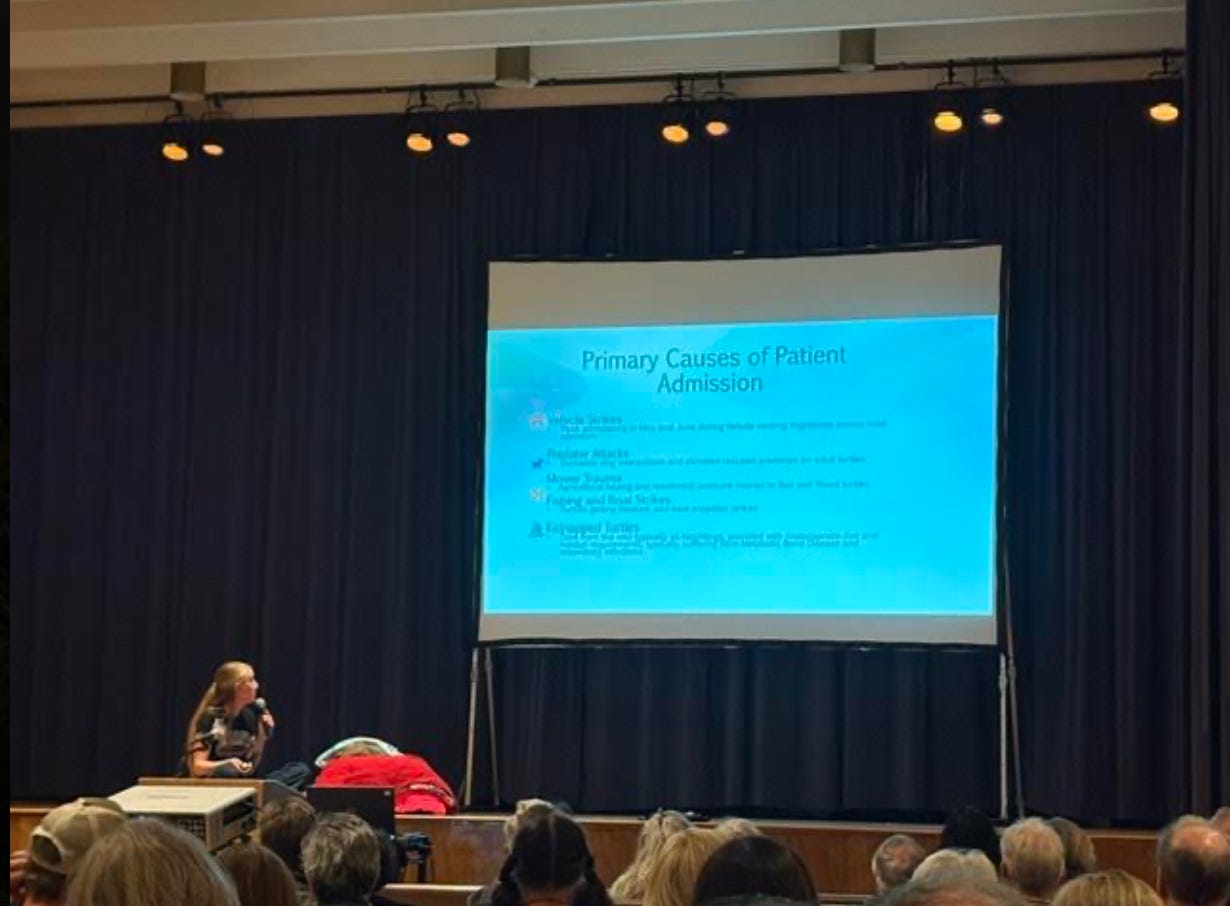
The #1 reason a turtle is injured is, of course, car strikes. (Read my 2023 essay about witnessing a fatal car strike.)
The #2 reason is turtle kidnappings.
“I call it kidnapping, because that’s exactly what it is,” she said.
A turtle stolen out of nature, taken home as a pet and left in a terrarium or aquarium will most likely end up sick from poor diet and inappropriate lighting. Their hard shell will turn soft.
Massachusetts has 10 native turtle species, and six are on the state’s endangered species list. South County has a special stake: the endangered bog turtle is found only in southern Berkshire County, she said, and the rare spotted turtle also survives here in small populations.
To report a bog turtle sighting, or any injured turtle, contact Berkshire County Turtle Rescue Inc.
https://berkshirecountyturtlerescue.org
413-663-4555
A rescued turtle has to be released close to where it was found, so if you do call about an injured turtle, note exactly where you picked it up.
To donate $1 or $1,000,000 to Berkshire County Turtle Rescue and help Tracy do her work full-time, click here.
River health
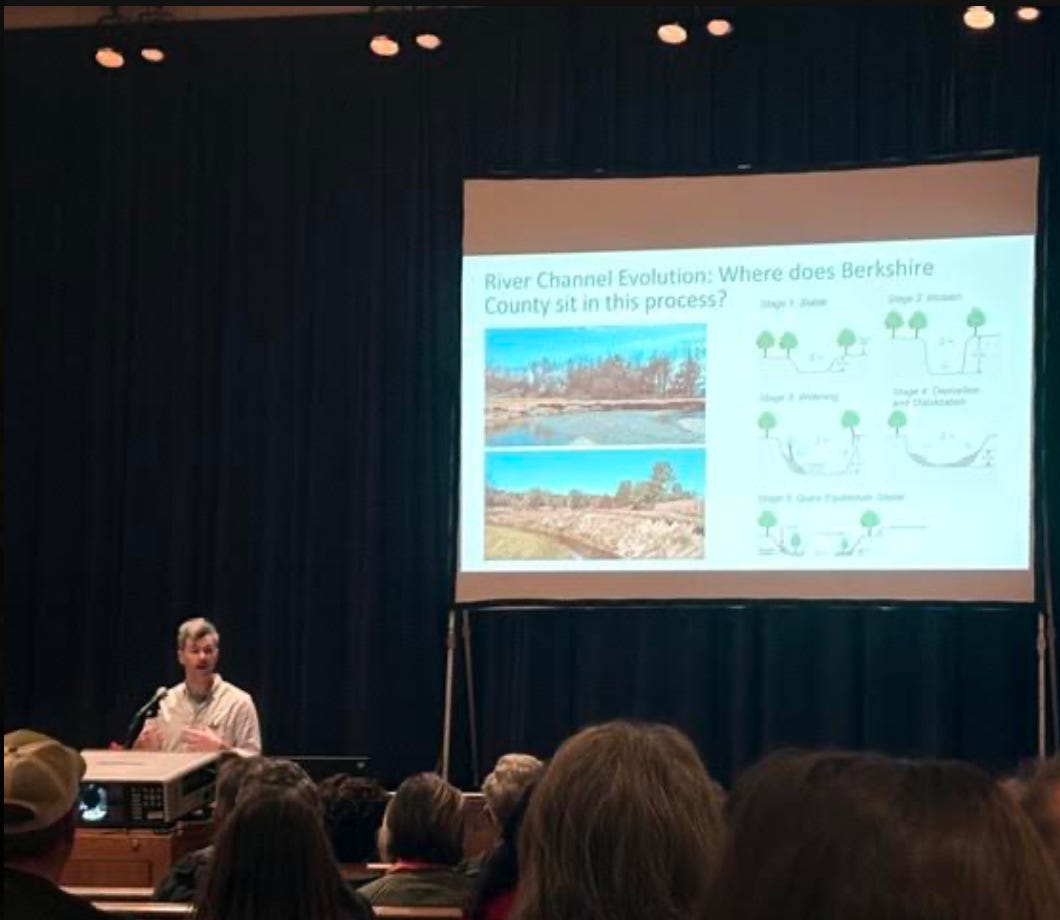
The BNHC audience also learned that when it comes to the health of a river, messiness is preferable to tidiness.
Erik Reardon of the Housatonic Valley Association showed satellite images of the Green River in Great Barrington, Alford and Egremont. The river’s old meandering path is still visible beside a channel that someone, long ago, straightened. [Including the straight shot channel that ran in front of my childhood home in North Egremont, which I assumed had been made straight by nature, rather than 18th century farmers]
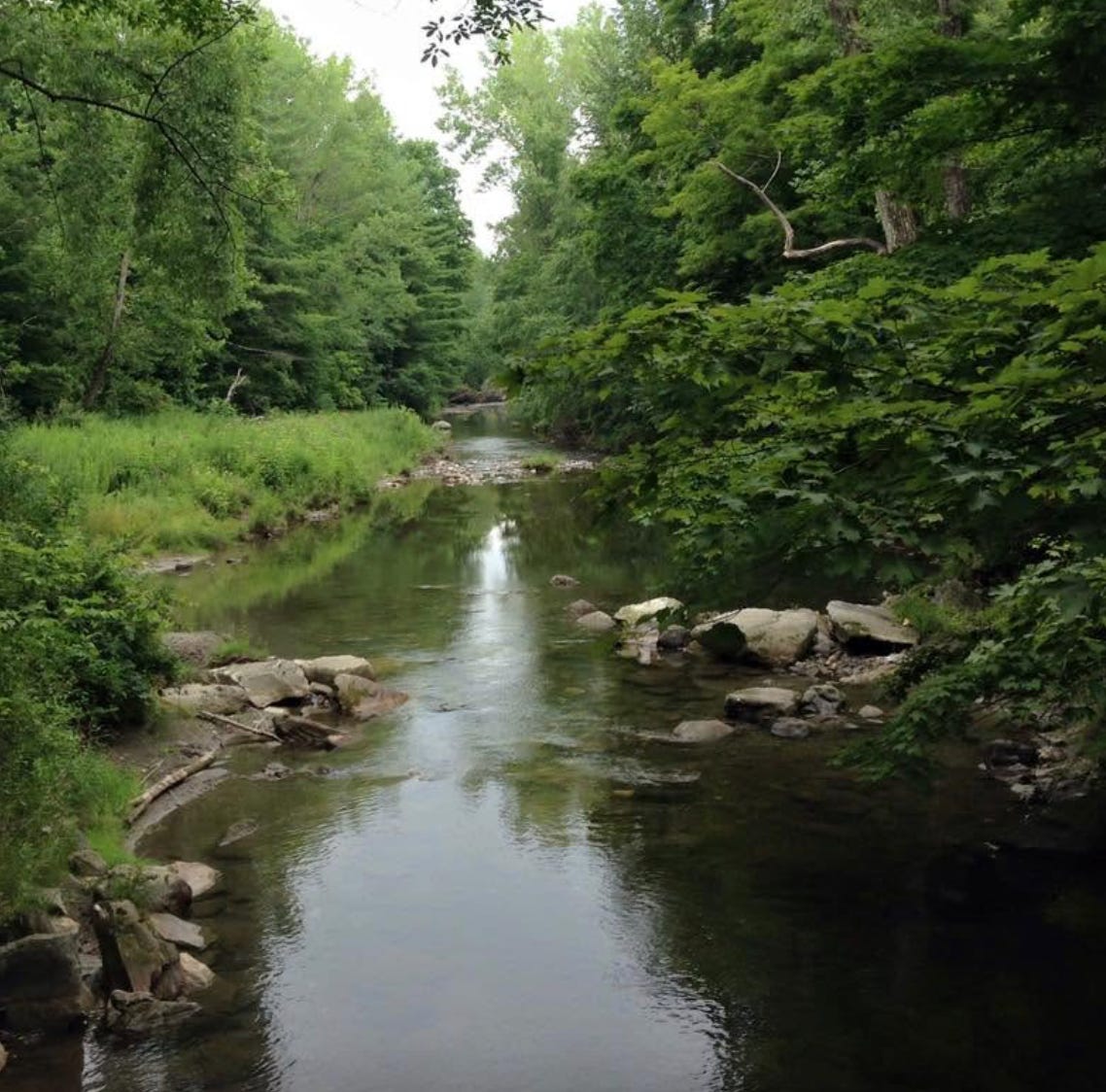
Rivers that have been straightened are cut off from the floodplains that are nature’s flow management system. Straightened rivers are stripped of the streamside trees whose roots stabilize them.
Zachary Adams, a project manager with Trout Unlimited, explained the fix: give rivers back their floodplains, take out failing dams and undersized culverts, and put wood back in the water.
One of his examples was a project on the Konkapot River in New Marlborough to reintroduce wood into the river, which was designed to keep the river from moving toward and washing out a vital town road.
Freshly finished work on these projects often looks very messy. There’s a mess of boulders, logs and root wads, and that is the point, Adams said.
He quoted a Vermont state engineer: “Streams are like children. They need something to play with.” In the photos from a year after project completion, native plants have grown in. Nature has absorbed the mess and produced loveliness.
Fireflies
In a talk on fireflies, Plymouth County entomologist Blake Dinius explained that the beautiful summertime light-makers start out life as grubs, indistinshable from any other. They glow as grubs as well, but underground, unseen. They become flashing beetles, with varieties of fireflies using many different patterns of flashing. Some pulse steadily, other several times rapidly in a row and then stopping.
Dinius made the case for darker nights and longer lawns. Porch lights and streetlights drown out the flashes fireflies use to find mates. Turning lights off and choosing downward-pointing streetlights help, as does allowing for some if not all of the grass on your property to grow tall.
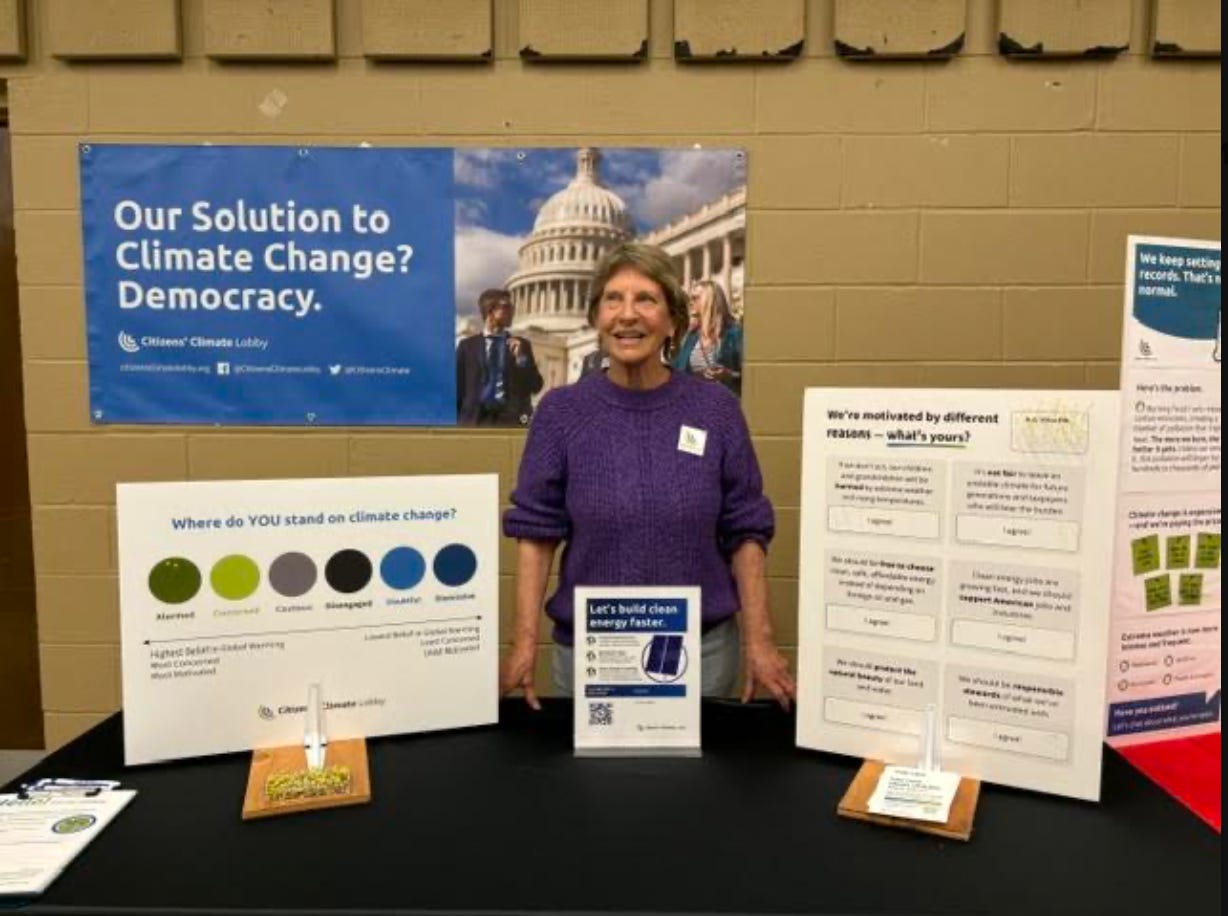
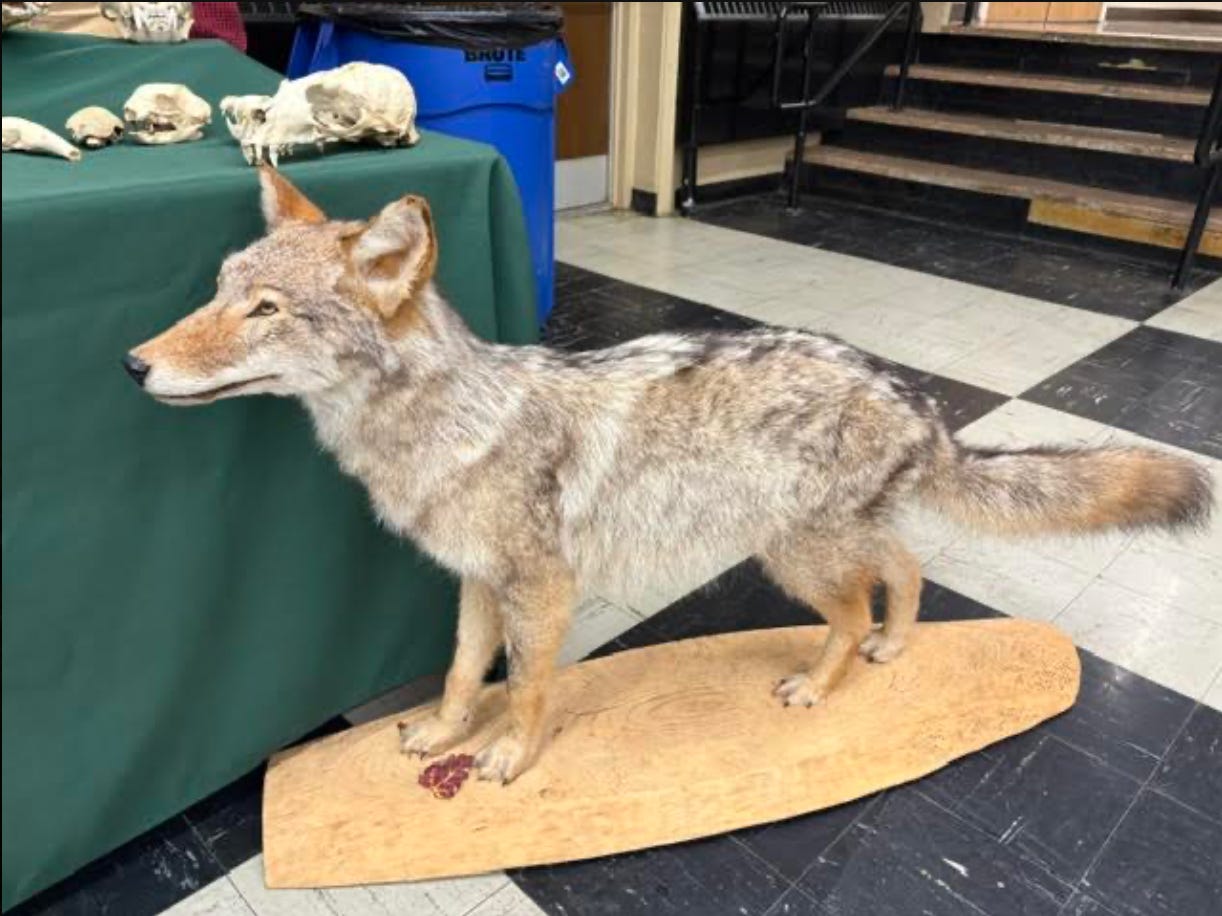
Between talks, visitors browsed information and sale items from Greenagers, Mass Audubon, the Vermont Natural History Museum, and Citizens’ Climate Lobby. Ward’s Nursery of Great Barrington was a local sponsor.
Professor Tom Tyning
Founder of the BNHC, and long-time Berkshire Community College professor Tom Tyning received the David St. James Award.
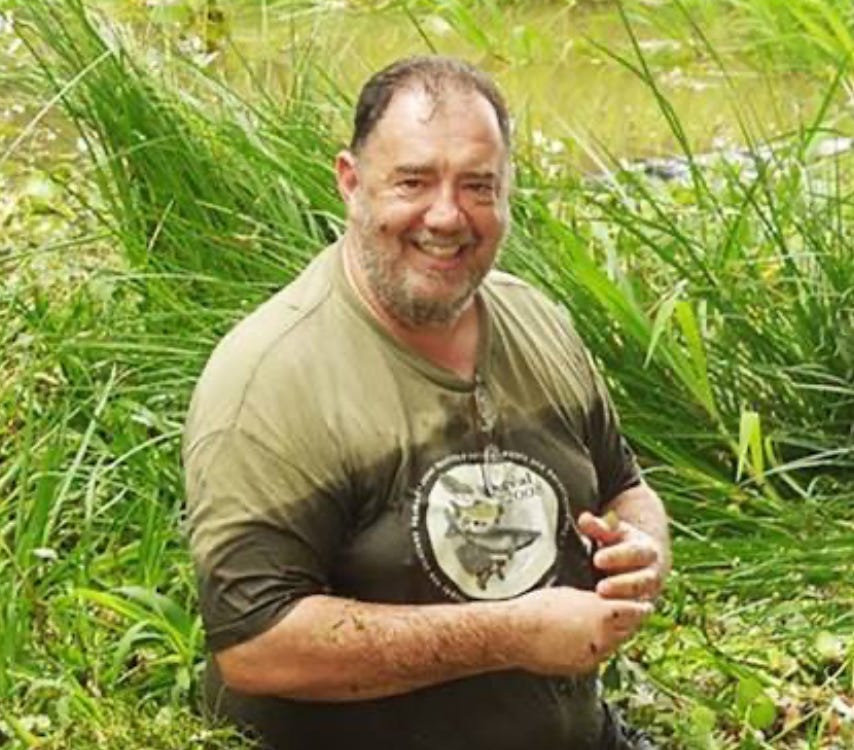
Tyning worked as a field biologist and naturalist for Mass Audubon before joining BCC. He wrote “A Guide to Amphibians and Reptiles” and is the man involved in 3 out of 4 of the state’s recorded rattlesnake bites. In 2021, when Berkshire Magazine named him to its Berkshire 25, Rene Wendell of The Nature Conservancy called him “one of the greatest naturalists Berkshire County has ever known.”
The award carries the name of David St. James (1948–2014), a Pittsfield naturalist and longtime wildlife biologist with the state Department of Fish and Game, who retired in 2000. He served as president of the Hoffmann Bird Club and in 2012 completed an online Annotated List of the Birds of Berkshire County.
To learn more about the Berkshire Natural History Conference, held annually in November and returning next year to Berkshire School in Sheffield, stay in touch with Professor Tyning.